In this story
Competition among tea-drink brands has often centred on new products, different flavours and occasions for consumption. As the choice of products expands, another question becomes more important: beyond the drink, how can culture, space and experience give people a reason to remember a brand?
In July 2026, CHAGEE opened chagee imagine by the sea in Aranya. Beginning with the flavours, craft and vessels of tea, the store responds to its coastal setting, community and pace of life. It explores other ways for tea to enter contemporary living.
Unlike a standardised store built around efficiency and replication, chagee imagine operates as a spatial experiment. Tea can be drunk, watched, felt and imagined. Brandstar also observed a shift in attention from the cup to the person holding it: how people pause, feel, talk and use the space.
For consumer brands, that is a direction worth examining. When brand expression becomes increasingly dense, paying attention to how a product enters real life may build a more durable connection than adding another concept.
From a cup of tea to a space for imagination
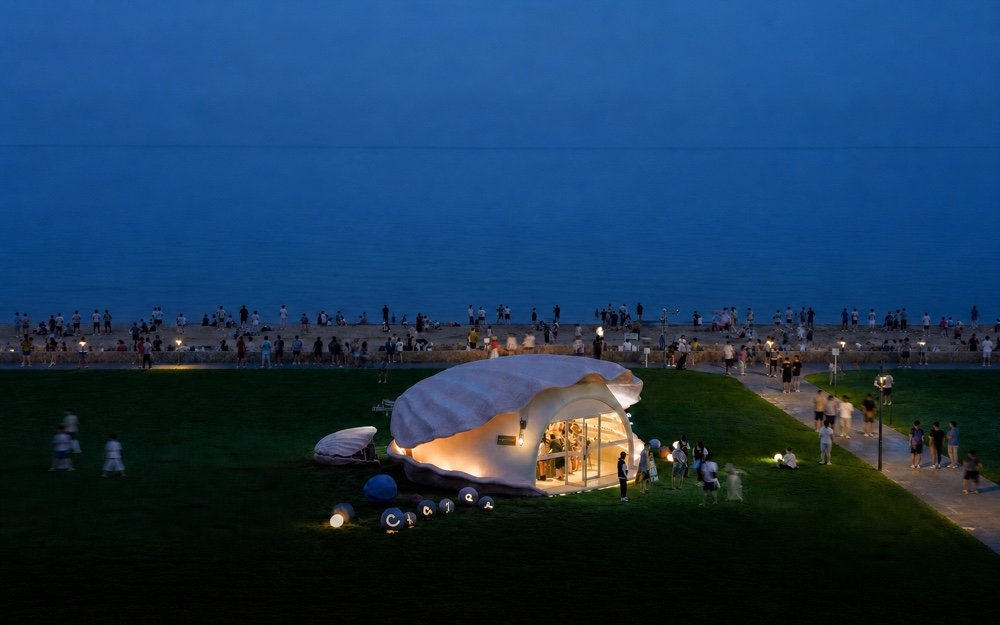
The Aranya store sits on the lawn in the community’s sixth phase, opposite the Tangshe hotel, with the beach nearby. It belongs to a new store series, distinct from regular CHAGEE outlets. The word “imagine” signals an experimental space in which tea can generate new products, experiences and content.
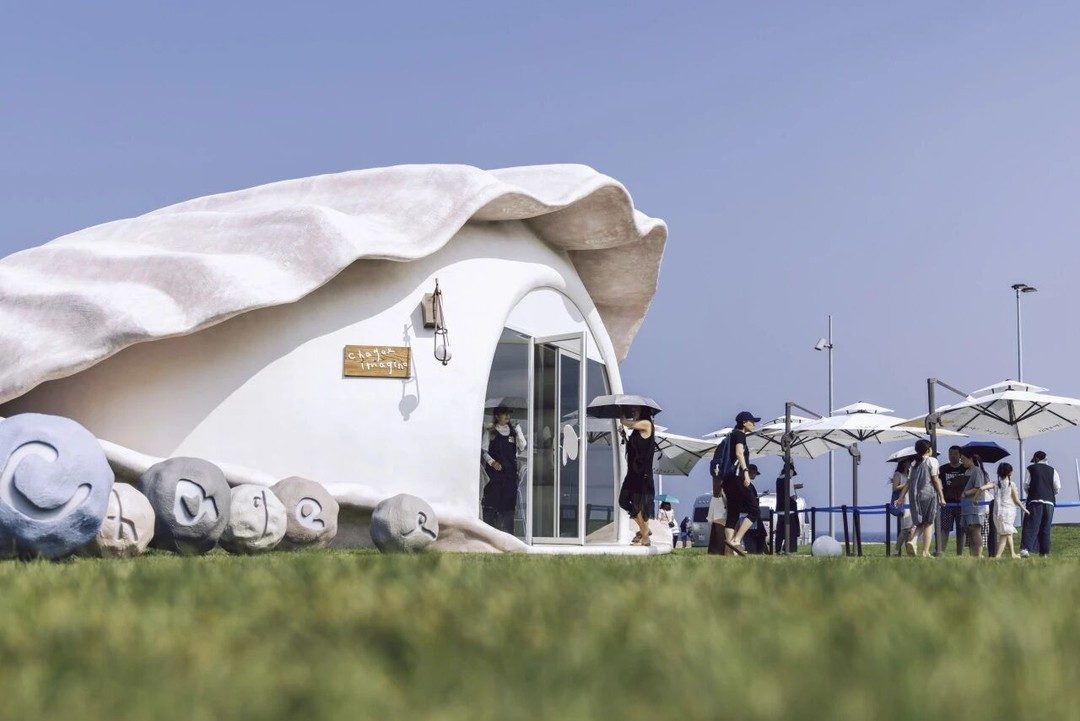
The brand does not immediately define imagination for its visitors. Through the menu, preparation and drinking experience, people encounter changes in flavour, texture and form, and reach their own interpretations.
Tea remains the centre, but appears in more forms. In May, CHAGEE introduced gelato-style products in selected regular stores; the line also appears in Aranya. Named “geelato,” retaining the “gee” in the brand’s name, it begins with tea flavour and uses a cold, dense texture to make a familiar ingredient feel different.
The Aranya store also offers limited fresh teas, tea-based mixed drinks and a contemporary interpretation of diancha, the traditional practice of whisking powdered tea.
The fresh-tea range presents the infusion directly, allowing visitors to appreciate aroma, taste and the lingering sweetness. Mixed drinks combine a tea base with fruit notes and contrasting textures. Three local exclusives take their cues from Aranya’s sunrise, dusk and shoreline: “Sunrise Theatre,” “The Moon Has Just Risen” and “Picking Pearls.” These are English translations of the Chinese product names.
The first captures the short interval of changing light before sunrise. The second refers to the transition from dusk into night. The third begins with an imaginative question: if Aranya’s sea breeze could be put into a drink, what colour and flavour would it have?
Blue and white, crushed ice and coconut flakes supply an answer, translating sea air, waves and summer coolness into a cup. Light, time and landscape enter product names, visual design and flavour stories, giving the drinks a distinct memory of place.
Modern diancha makes traditional preparation visible through warming the bowl, mixing the tea into a paste and whisking it. Geelato is also made in the store. Visitors see the process rather than only the finished item; waiting, watching and anticipation become part of the experience.
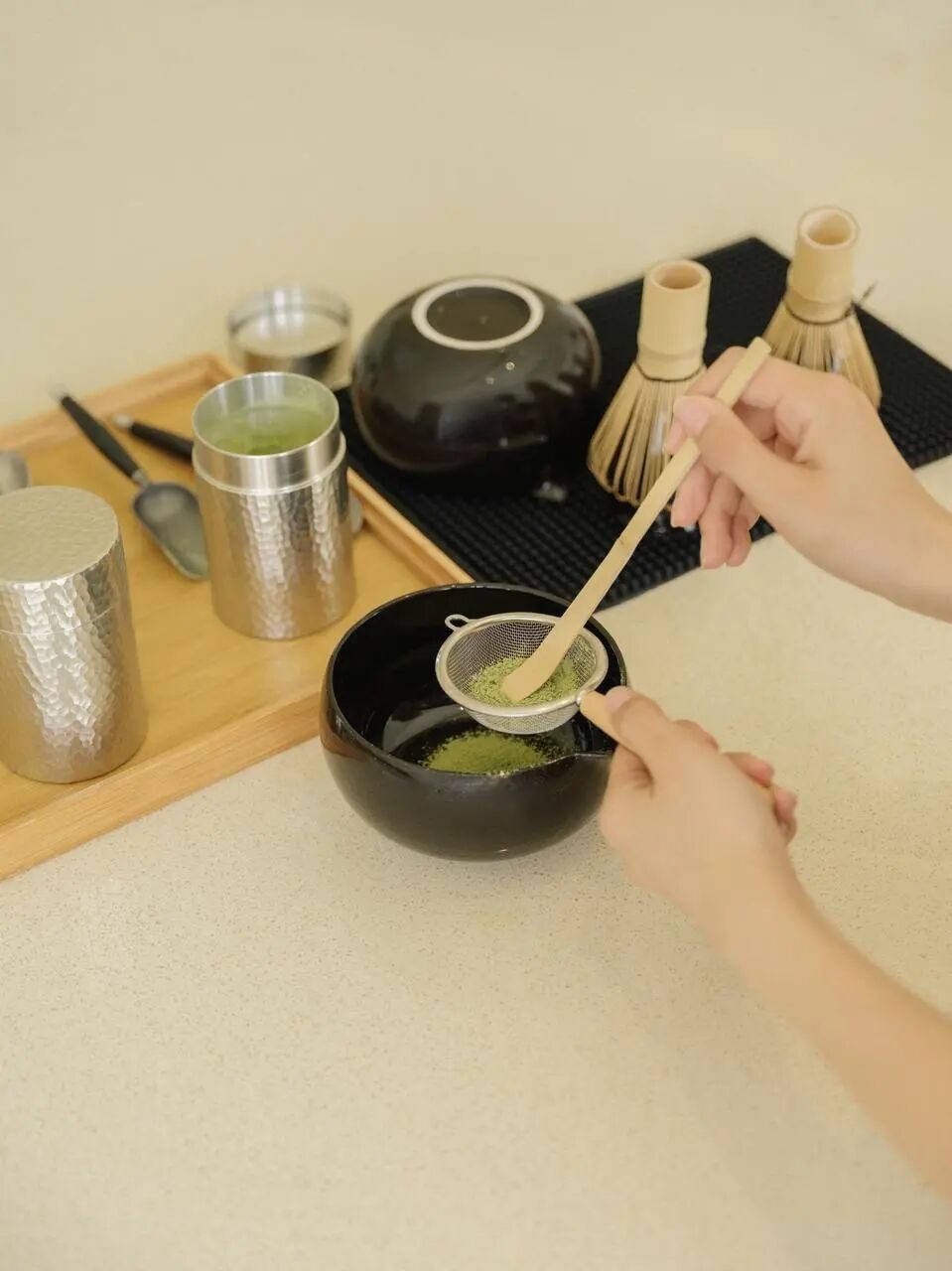
This corresponds with a wider pattern Brandstar has been following: consumer brands bringing materials, craft and production out from behind the scenes. Seeing how tea is made gives visitors a more direct understanding of CHAGEE’s approach and a distinctive memory of the imagine format.
Forms can change while familiar flavours remain their starting point. Boya Juexian, a signature CHAGEE drink, can become a flavour used in geelato or mixed drinks. Across temperatures, textures and ways of drinking, a specific product develops into a recognisable flavour thread.
The brand also looks to local life for design ideas. A paper menu near the entrance uses shells and starfish as an index. Instead of photographs of finished drinks, it combines drawings with ingredients, flavours and the stories behind them.
Compared with ordering by QR code, a menu without product photographs leaves more to the imagination. One person may choose a name; another may follow a favourite ingredient. Ordering becomes part of a personal experience.
On Brandstar’s visit, “Picking Pearls” was a particular surprise. Its difference from the regular range lay partly in its handmade preparation and presentation. Crushed ice and coconut flakes gave the drink contrasting textures, while its blue-and-white appearance recalled waves and the summer shore. Coconut crisps and popping pearls evoked treasures on the beach; phycocyanin and milk produced the cool-looking colour combination.
“The Moon Has Just Risen” combined sparkling Bailan Guanyin tea with basil-peach and pomelo juices to suggest dusk, with a raspberry as the sun not yet below the horizon. “Sunrise Theatre” used the gentle fruit and floral notes of guava and lychee alongside the lingering aroma of shiya tea.
Other tea drinkers described similar discoveries. Some said the exterior, menu and product range changed their previous impression of CHAGEE. One account described the spring-picked Longjing diancha as “clouds spread beneath a lawn.” These are individual impressions, not measures of the store’s performance.
The brand draws on the landscape and passes that imagination through a product. Once the drink is tasted, the experience becomes the visitor’s own.
A store that approaches the community on its terms
Aranya is a coastal arts and residential community, as well as a holiday destination. Restaurants, retail and cultural and lifestyle businesses sit among walking routes and public spaces. Its mixture of tourism, everyday community life and less standardised retail offers fertile ground for brands trying new forms of expression.
Visitors often follow their mood: stopping for tea during a walk, pausing at an object, or falling into conversation while waiting. An experience need not happen in a fixed order. It develops through people’s movements and interests.
That fits chagee imagine’s premise: observe how people live, create room for different kinds of participation, and let those who enter give the space meaning at their own pace.
The approach appears in the building, signage and materials. Its shell-like outline draws on the coast. Inside, a counter made from recycled tea leaves and resin retains the leaves’ texture, providing a tactile, handmade quality rather than the distance associated with highly industrial finishes.
Regular stores use uppercase CHAGEE lettering and a conspicuous red portrait logo. Aranya’s signage switches to the more approachable lowercase “chagee imagine,” incorporating sunrise and sea references.
The change loosens the expectations attached to a familiar store identity. The experimental format has room to vary, and visitors have a reason to look more closely. Architecture, materials and graphics bring the store into a closer relationship with the place around it and make approaching, entering and staying feel easier.
Clay vessels provide another point of entry. At opening, the brand worked with several artists on a project about slowly imagining through pottery and clay. A hundred handmade objects were to appear throughout the space over time and be available to buy.
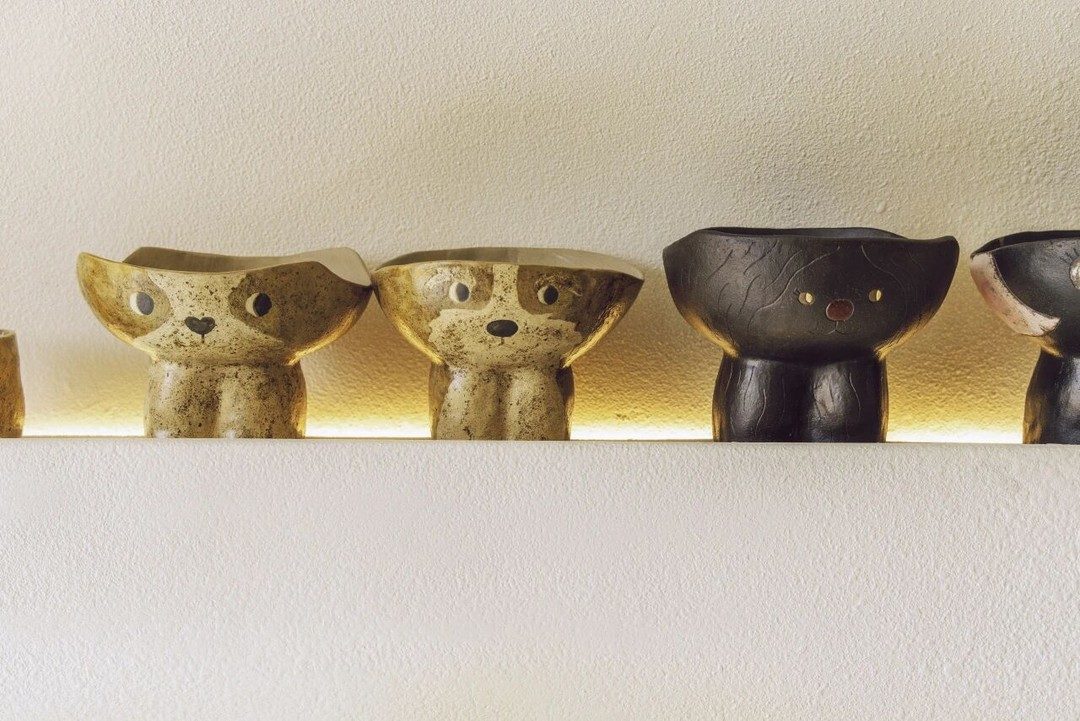
Seen closely, these vessels have little uniformity. Some take animal forms; others retain informal painted marks. Shapes, colours, textures and finishes reveal something of their makers’ observations and personalities. Travel, everyday experiences and small emotions enter the clay. A vessel can carry tea and a person’s story at the same time.
One visitor may read that story; another may simply stop because an object catches the eye. Either encounter connects people with tea, makers and the space.
There is no compulsory route. Visitors can sit and watch diancha or take a drink away. They can choose pottery and learn about its maker, or pause briefly during a walk. Tea, craft, objects and art offer different doors into the experience. The brand supplies the place and materials; people’s choices and uses continually add meaning.
Leaving room for an answer to emerge
Space, art and local culture are familiar tools for consumer brands. Creating a store with a clear position that remains connected to a brand’s core is harder. The distinction increasingly lies in whether those elements form a relationship with actual people.
CHAGEE imagine adds another type of space to the standard store format and asks how tea might enter people’s lives. Its emphasis shifts from what the brand wants to say towards how a person might feel and use what is offered.
That means accepting that the same product or space can carry different meanings for different visitors. The brand does not need to explain every experience or prescribe one correct answer.
“Imagine” consequently has two dimensions. It names the brand’s creativity in products, menus, objects and interiors. It also describes the visitor’s participation: interpreting a drink, using a space and forming a memory according to personal experience and mood.
The least predictable source of novelty is the person who arrives. If a brand first observes real lives and leaves room for possibilities, imagination can emerge from the encounter rather than being staged in advance.
What will matter beyond Aranya
CHAGEE imagine develops the brand’s existing tea products and culture while bringing people’s feelings and actions into the picture. Its significance lies in that connection, beyond the now-familiar use of art or local references in retail.
If the format reaches more cities and communities, the question will extend beyond how each store looks. Can it continue to begin with a particular place and its people, and create different ways to encounter tea?
Imagination may require less insistence on something entirely unprecedented, and more willingness to observe how people live, then leave a little space for what has not happened yet.
Original reporting by Zheng Yiting. Editorial supervision by Lai Yongfeng.
Translated from Brandstar and edited for clarity for an international readership. The reporting, quotations and time references reflect the original article, published 26 Aug 2026. English edition: 5 Sept 2026.