In this story
In July 2026, adidas released a concept film that looked towards mountains and wilderness while also following its characters into everyday life.
Instead of concentrating on summits, races or extreme moments, it moved attention from results to the experience of passing between nature and daily routines. The shift from specialist challenges to varied ways of living also signalled a development in adidas’s outdoor business.
TERREX has long carried the brand’s technical expertise and product development in specialist outdoor sports. Building on that foundation, adidas introduced an Outdoor product line for China with a new Chinese name: Shanchuanli.
The important question extends beyond a new range. As both technical specialisation and everyday use shape China’s outdoor market, adidas is reconsidering how people enter nature, what they seek there, and what products and experiences a brand should provide.
An outdoor line named for the China market
Shanchuanli gives adidas’s outdoor proposition a specifically Chinese expression rather than a literal translation of “Outdoor.”
The name’s three parts work together. Shan, or mountain, suggests leaving the familiar and opening one’s view. Chuan, river, evokes time and a path followed without rushing to arrive. Li, “within,” places a person inside the landscape: experiencing nature rather than looking at it from a distance.
Together they express being within nature and moving freely. People need not follow the same route or arrive in the same way. Nor is the journey simply a one-way escape from the city. It can be a movement between urban life and the landscape.
Freedom here has two meanings. It concerns switching between technical sport, exploration and ordinary life, but also the variety of experience within those settings. People can climb, move quickly and test themselves, or walk slowly, stop and pay attention. Different rhythms are legitimate.
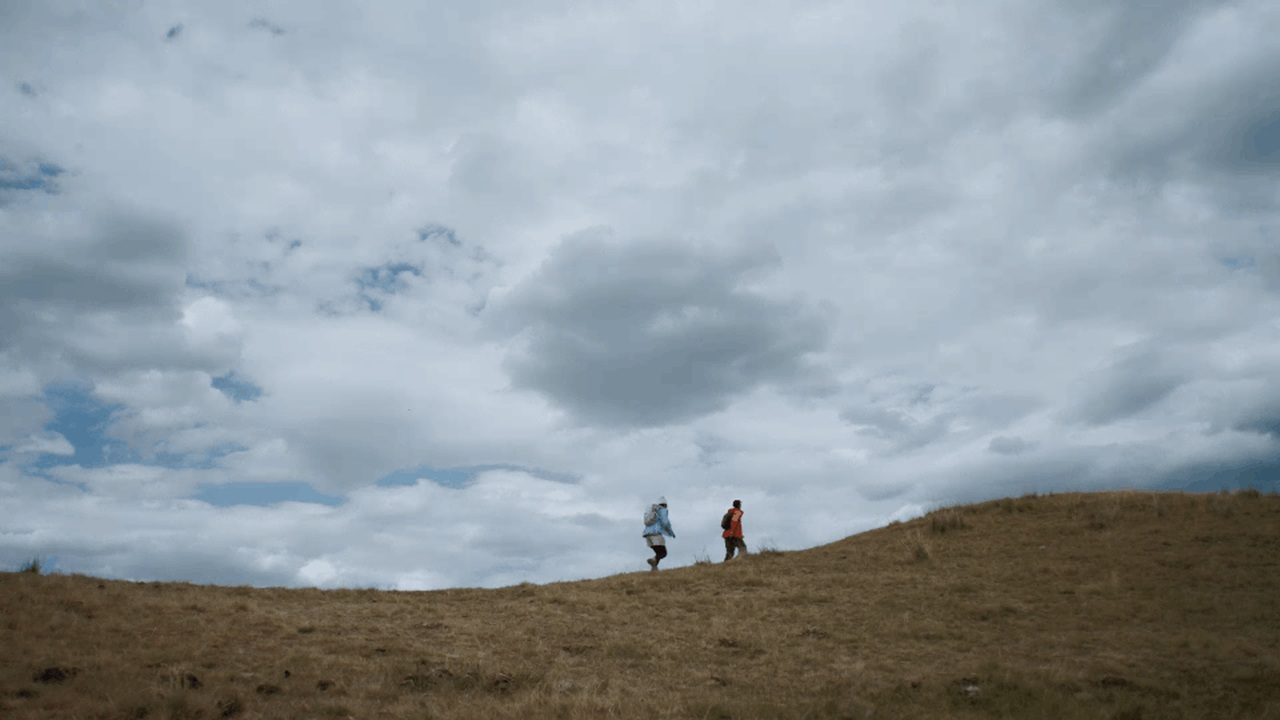
Chinese landscapes also inform the visual system. Plants, leaf veins, moss and water provide greens; bark, soil and wood grain establish browns; rocks, mountains and waterfalls introduce greys and textures. These observations supply the core palette rather than simply decorating a translated proposition.
The result is a position grounded in adidas’s sporting capability without addressing only committed technical users. Products begin with real environments and bodily needs while connecting urban living, exploration and personal expression. Challenge remains part of the proposition, alongside other routes into nature.
Specialisation and everyday use grow together
Brandstar’s earlier coverage of China’s outdoor market has argued that its expansion is not a simple move from technical performance to leisure. Both are developing at once.
Trail running, climbing and cycling are becoming more specialised, raising expectations for function, technology and equipment systems. At the same time, weekend hiking, short camping trips and outdoor clothing in cities are extending participation into more settings.
These groups are not cleanly separated. A light outdoor experience may be the beginning of deeper involvement in a sport. As participation changes, demand can move from everyday clothing towards more specialist functions and equipment.
Brands therefore have to consider how to serve different stages of that experience. The offer is increasingly more than a sports product: it is also a recognisable account of why someone sets out, how they enter nature and what they might feel there.
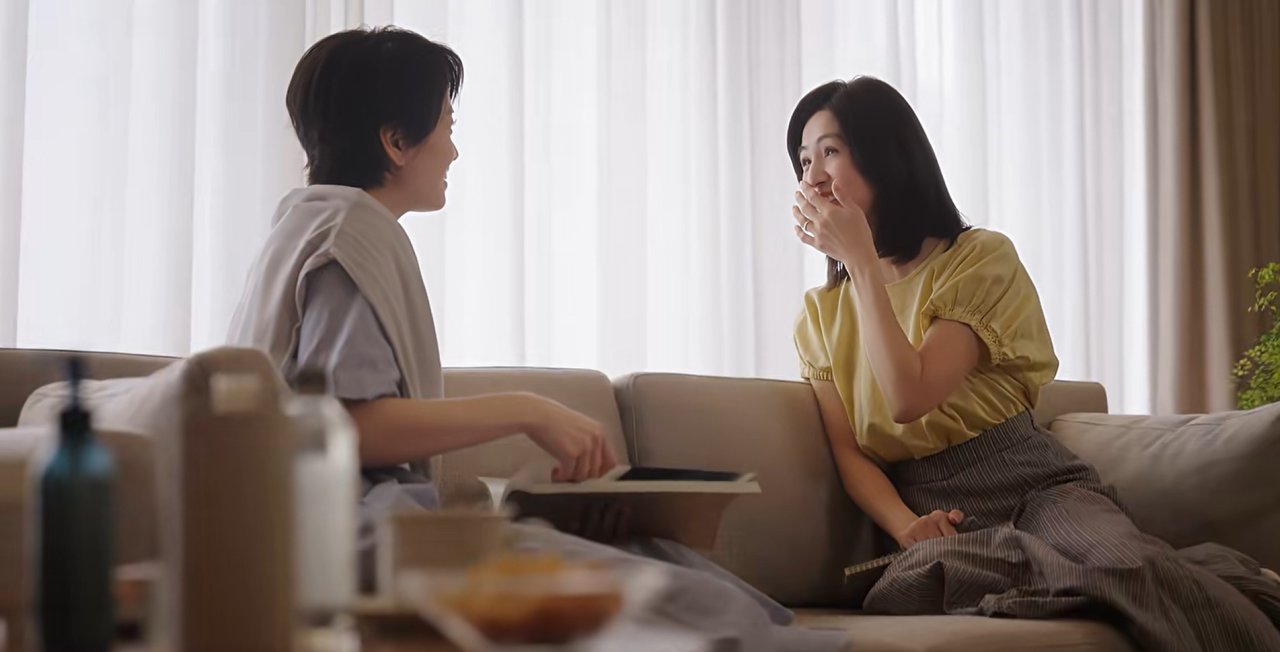
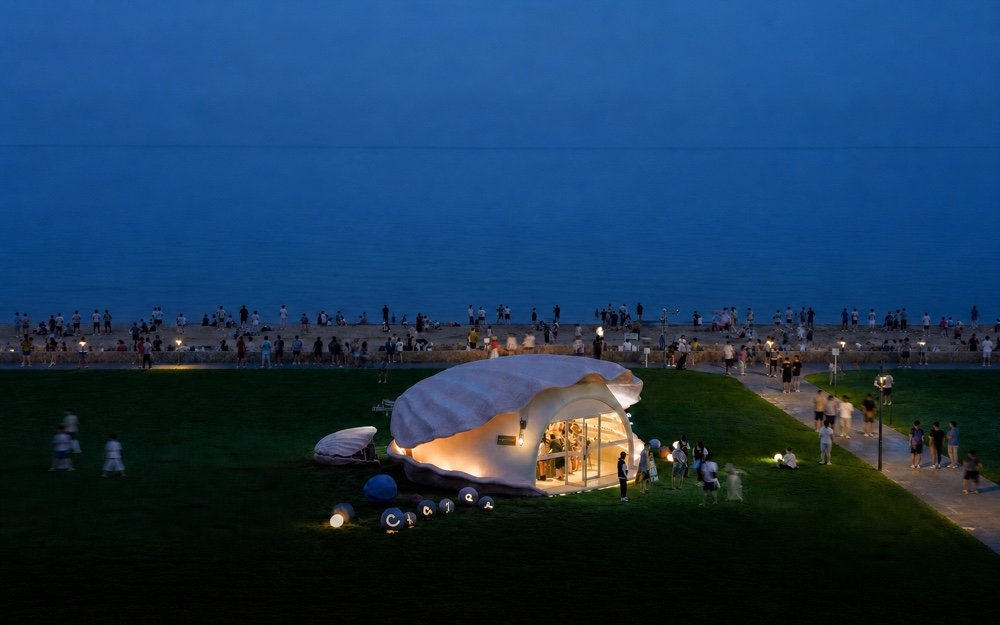
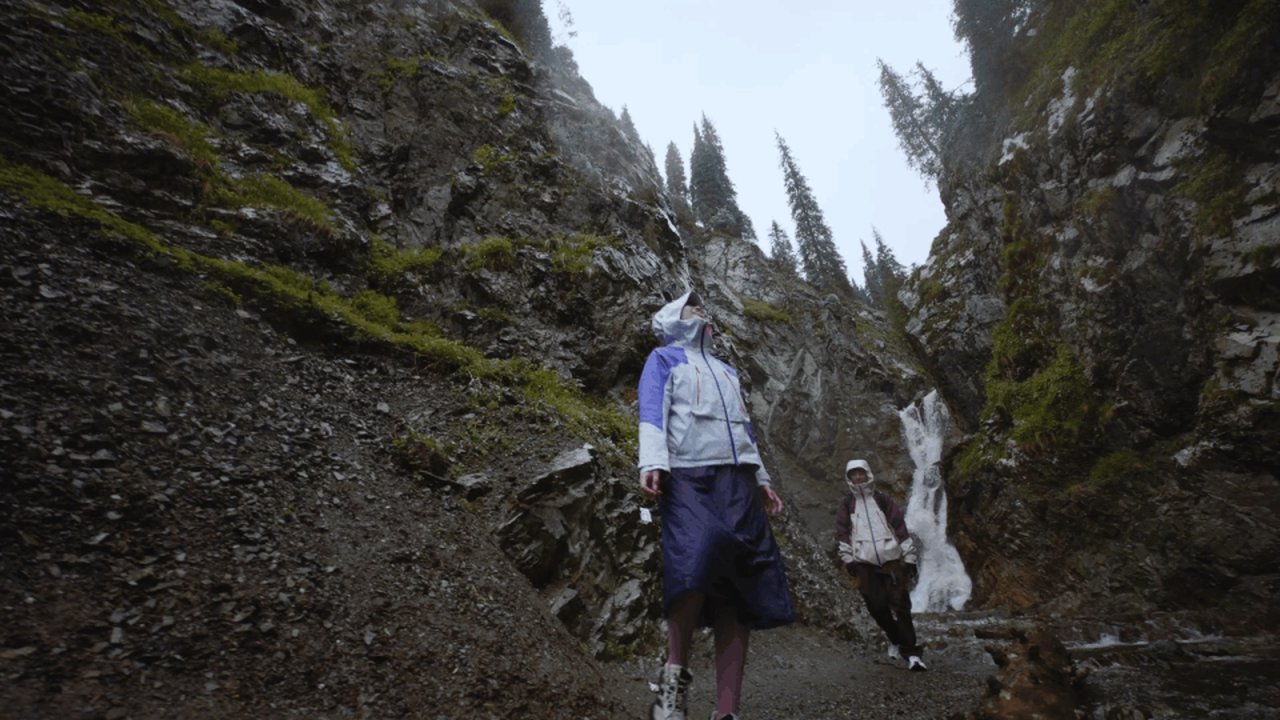
The Shanchuanli film makes that experience concrete. Its characters run and climb on wooded paths, then pause to look around. They put up a tent and spend time with friends on open grass. Before departure they meet at a café; back in the city they enter a convenience store. Clothes, environments and the pace of movement connect everyday life with exploration.
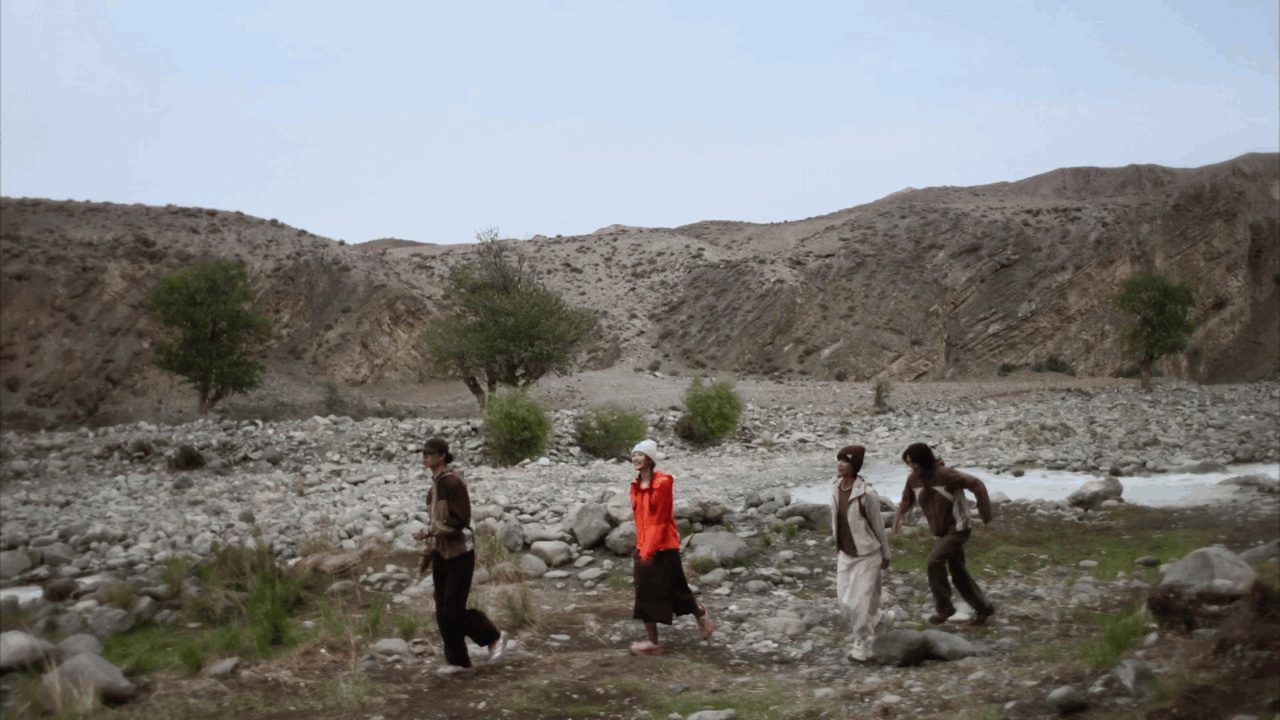
As “go outdoors” becomes a common invitation, brands need to say more about why, what people can do there, and how the experience returns with them. Shanchuanli adds an accessible way of living to a base of professional performance.
A different account of people and nature
In Chinese cultural traditions, mountains and rivers have long been more than geography or sporting terrain. The expansive energy of the poet Li Bai’s landscapes differs from the pastoral ease associated with Tao Yuanming. Yet neither simply presents nature as something waiting to be conquered. A landscape can be a place for emotion, reflection and a renewed sense of self.
That relationship has not vanished with modern life. Dense cities and quickened routines can make room for nature more important. Going outdoors can involve adjusting one’s state of mind, noticing an environment or reconnecting with other people, as well as physical challenge.
Height, speed and results are consequently not the only measures of an outdoor experience. The body’s sensations, relationships formed along a route and changes in a person’s state also matter.
Shanchuanli begins with that relationship. It places people at the centre and asks how they can find their own way of moving and living within the landscape.
The approach is consistent with adidas’s recent sports storytelling. From 2024, its “You Got This” platform put more attention on inclusion and mental pressure than the earlier “Impossible Is Nothing” message. Subsequent Chinese campaigns about running towards Paris and the voice that helps someone believe focused on real participants, lived sporting experiences and support between people.
Shanchuanli also takes the idea into products. Its range distinguishes specialist outdoor activity, exploration in nature and urban living, responding to how people dress and move between these contexts. The film gives those relationships a visible form, connecting cultural references with contemporary routines.
More ways to be outdoors
Outdoor culture once defined achievement primarily through summits, distance and extreme environments. Broader participation creates room for different speeds, purposes and states of mind.
Shanchuanli retains both challenge and professional capability while looking more closely at the journey and the settings between city and wilderness. A person can explore further or stop to notice, test the body or move at a personal pace.
This is one answer to China’s changing outdoor market, and it poses a longer-term question for the industry: as the outdoors becomes part of ordinary life, how can brands offer more ways of relating to nature, as well as the equipment to get there?
Translated from Brandstar and edited for clarity for an international readership. The reporting, quotations and time references reflect the original article, published 24 Jul 2026. English edition: 5 Sept 2026.