In this story
Every early summer, marketers look to the Cannes Lions International Festival of Creativity for work that captures the industry’s changing priorities. They go to see the winners, but also to understand what a year’s worth of work reveals.
In 2026, Cannes introduced the Creative Brand Lion. Rather than judging only an individual campaign, the category examines how creative strategy operates within a brand and produces lasting, measurable value. Entries need evidence covering at least 12 months to demonstrate systemic impact.
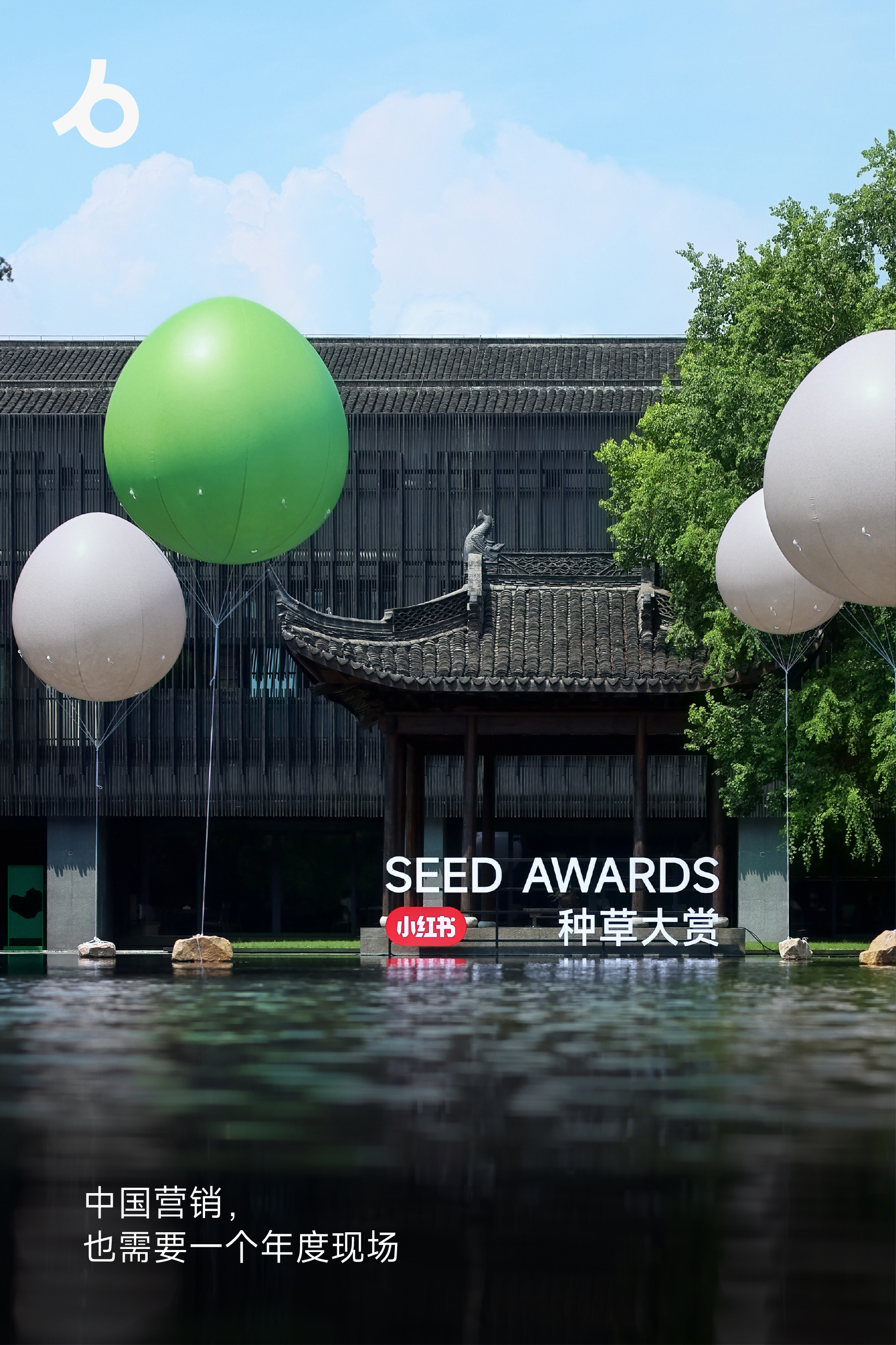
Marketing’s value is increasingly being considered through long-term business outcomes. In China, that year’s Xiaohongshu Seeding Awards offered a related view: 490 cases across 106 industries formed a set of annual observations.
Xiaohongshu is a Chinese social platform where people share experiences, search for recommendations and discover products. Zhongcao, usually translated as “seeding,” describes content and recommendations that cultivate interest in a product or way of living. The cases discussed here suggest its role is extending beyond post-launch promotion into how companies understand demand and adjust their businesses.
Three developments stand out: user expression entering product decisions, specific unmet needs creating new business, and seeding results influencing product, budget and channel choices. All begin with whether a brand can hear and understand what people are saying.
The comment section becomes a source of product demand
A new business setting repeatedly appears in the award cases: the comment section. Previously a place to handle feedback, it is increasingly being used to find product gaps and start development work.
Conventional research often begins with a brand’s questions. Comments begin with people’s actual uses and experiences. A complaint, follow-up question or suggestion can appear isolated; considered together, repeated expressions reveal common needs.
For the dishwasher brand Lishang, an important development step happened in comments. Under dishwasher posts, it found recurring objections: kitchens were too small, installation seemed troublesome and cycles took too long.
Those comments suggested demand for a machine better suited to compact Chinese kitchens. Lishang asked people with small kitchens what their ideal dishwasher would look like. More than 300 responses to the post were organised into the requirements for its first product. Concerns about countertop space and time became a narrow, 28-centimetre-wide countertop body and a 15-minute quick-wash cycle in its capsule-style dishwasher.

A few hundred comments can be read manually. At platform scale, the task is to interpret large amounts of expression accurately.
iFlytek found a series of comments by one parent beneath a post about its learning tablet. Their timestamps revealed a decision journey: whether to buy, which model to choose, and then the child’s experience of using it.
Working with Xiaohongshu’s marketing laboratory, iFlytek used AI to expand this reading from a single post to a large volume of comments. The case identified a barrier to conversion for a premium product: parents did not necessarily understand what justified the higher price.
Parents valued the simulated laboratory, where children could repeat experiments. Meanwhile, the wrong-answer analysis feature that had been prominent in marketing did not fully meet some expectations. The team brought the comments into meetings and worked through the issues. According to the case account, this response helped the product maintain its premium pricing within less than a month.
At the awards, product strategist Liang Ning, author of True Demand, described comments as a rich source of user intent. Her argument was that in an AI-mediated task system, understanding that intent matters to completing tasks and improving outcomes. Comments can consequently function as input to product development rather than merely an after-sales area.
Their value is not simply volume. People explain what does not fit, why they hesitate and what is missing. Even a negative response may contain an unmet need, a specific situation or an unprompted observation. A brand can see not only what went wrong but what its product should solve next.
Growth comes from understanding a need more deeply
In mature categories, reaching more people does not automatically make growth easier. Several award cases instead begin with a specific situation, solve it more fully and then identify others with similar needs or adjacent occasions for use.
This is a more precise view of demand. Consumers rarely hand a company a requirements document. Searches and discussions leave questions, hesitations and worries that products and services must interpret.
Sofy found such an opening in menstrual care. In a mature category with established habits, competition increasingly concerns whether the experience can still improve. Maturity does not mean every problem has been resolved.
The case focused on menstrual clots and the discomfort or leakage concerns associated with them. It argued that users often treated difficulty absorbing clots as something they had to manage themselves, rather than a product problem a brand could address. Sofy developed a pad intended to absorb clots, then had to explain the new offer.
The case cited more than 47,000 monthly Xiaohongshu searches asking about the causes of menstrual clots. Searches, browsing and discussion revealed three kinds of concern: uncomfortable texture, fear of leakage on heavier days, and questions about health.
People were looking for an explanation as well as a product. The brand’s content therefore combined product information with educational material about menstruation, rather than talking only about absorption. This account describes a marketing case; it is not medical advice or independent validation of a product’s health claims.
The case reported that new customers accounted for 52% of purchasers of the product. Its broader point is that an overlooked situation can create room for growth within a mature market when a brand addresses it through the product, information and communication together.
Meituan’s medicine-delivery service found a related opportunity. Competing solely for emergency purchases meant high acquisition costs and a declining share of new customers. On Xiaohongshu, it saw needs beyond immediate delivery: what to keep in a household medicine box, preparing supplies for older relatives, and planning for travel.
The service began to respond to these everyday preparations rather than emphasising delivery speed alone. According to the case, it reached more new users at lower cost. The relevant business need expanded from a single urgent event to a longer process of household preparation and care.
Across these examples, the clearer the situation a brand chooses to serve, the clearer its starting point for growth. In mature categories, sustained attention to a particular problem can matter as much as selling an unchanged product to a wider audience.
Results begin to determine the next business decision
Brands at different stages and in different industries follow different seeding paths. Yet the awards reveal a common development: feedback increasingly enters decisions about products, budgets and channels. Results answer what to do next as well as how the last campaign performed.
Historically, seeding results often acted as a scorecard. A team reviewed successful content, engagement and transactions to assess effectiveness. Now they can also serve as a signal for allocating resources: which needs are emerging, which customers understand a selling point, and where the next investment should go.
Marketing becomes part of a longer operating process that brings changes in the market back into the company.
Huawei’s work with Xiaohongshu, for example, began with its marketing and media department and later extended to product, technology, user research, retail and e-commerce teams. The approach spread from a single product into multiple connected product lines. The original case also described cooperation with Huawei laboratories: interest in photography poses entered camera functionality in the Pura 90 range and was reported as one of the three leading purchase drivers.

Other companies use seeding results to decide where to add budget, which products to expand and how channels should work together. Fixed annual allocations can give way to small-scale tests, added investment where results support it, and continued adjustment.
Different customer groups on external e-commerce platforms, offline channels and Xiaohongshu itself may call for different products and timing. During major shopping periods, budgets can be increased when conversion results justify further spending.
The feedback can also change how a brand tells its story. The Insta360 case described co-creating brand narratives with users and working with more than 10,000 contracted creators on the platform, involving them in content, product development and word of mouth.
These cases follow a related path: user feedback enters development and co-creation, while results influence budgets, products and channel decisions. Seeding becomes a route through which market knowledge enters an organisation. Alongside helping the market see a product, it helps the company see the market.
A continuing record of a changing market
What an award evaluates reflects how an industry understands marketing’s value. Across three editions of the Xiaohongshu Seeding Awards, the emphasis has moved from identifying effective methods, to quantifying value, to bringing feedback and results into product, budget and strategic decisions.
Marketing’s work consequently extends further: from making a completed product visible to helping a company judge what to make, whom to serve and where to invest next.
This does not mean the marketing department can take over every function. It makes the ability of information to cross departmental boundaries more important. Can comments enter product meetings? Can needs be understood in greater detail? Can campaign results alter budgets? Can user content affect brand expression?
Those questions determine whether seeding’s role in business is an appealing concept or a working method. Individual cases show how one brand responds; a continuing series makes change itself visible.
Like the annual record marketers seek at Cannes, China needs a way to observe what users are changing, what brands are learning and which directions remain open. These awards provide one such record, with the limitations of a platform- and brand-reported case collection rather than a representative survey of the entire market.
Figures and case results in the original article were supplied by Xiaohongshu’s data platform and the relevant brands; they are not presented here as independently audited results.
Translated from Brandstar and edited for clarity for an international readership. The reporting, quotations and time references reflect the original article, published 11 Aug 2026. English edition: 5 Sept 2026.
Read the original Chinese article ↗
Case figures are attributed to Xiaohongshu and the relevant brands, as in the original reporting.